

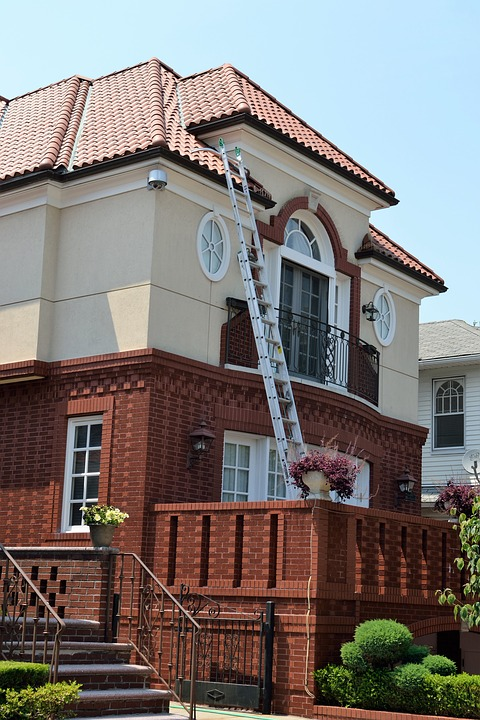
You may well be aware of the need for the best building inspections in Melbourne to be carried out on properties that are going up for sale, but do you know what these inspectors are looking for, exactly? You might think, “well, they’re looking for major defects, aren’t they?” While that’s true, do you know what exactly is meant by “defects,” let alone “major defects”?
Here are some of the most important things that house inspectors are looking for:
- Structural Issues
The first and arguably the most important part of the inspection is that which looks into any structural and foundation issues on the property. Discovering building code violations could warrant repairs or rebuilding of the property. If violations are already in place, then they would likely have to be rectified before any sale took place, but if there were problems that inspectors found may materialize within 3-5 years of a planned purchase date (but are technically alright now), then buyers may have to factor that cost into their long-term investment.
Most fundamentally, however, both buyer and seller want to be sure that the property isn’t going to fall to bits anytime soon.
- Necessary Repairs
Certain repairs and damages may not be, strictly speaking code violations, and already built into a seller’s price. For instance, a seller may indicate that there are windows and doors in need of replacement, or the house may be a complete “fixer-upper” with solid guts but a really rotten exterior and interior design that’s falling apart. Inspections will reveal critical areas of repair that are needed and list them out in full so buyers can make a proper estimate of what kind of costs will be involved after they purchase the property.
- Electrics
Faulty our outdated electrics are where home renovations and repairs can get very expensive and complex. Beyond that, they also relate directly to how safe a property is from fire risk. Nobody wants sparks flying and currents jumping every time they flip a light switch. It may sound like a minor annoyance, but we should all be clear that faulty electrical wiring can lead to electrocution as well as deadly fires.
Beyond safety, as we have mentioned, electrical upgrades or repairs can be both costly and time-consuming. Buyers will want to gain a very clear picture on the current state of the electrics in any property they are hoping to buy, especially an investment property that they plan to renovate and flip.
- Smoke Alarms
Inspection of smoke alarms and any other detectors will typically happen as part of the electrics inspection, but we feel it’s important enough to warrant its own category here. All smoke detectors and alarms must be in full working order at the time of inspection.
- Highlighting Other Dangers
Some of the dangers that inspections reveal we have discussed above, such as structural and electrical problems. Other issues can include things like a property still containing asbestos, or black mold, previously concealed foundation cracks and more. Essentially, the inspectors are looking for anything that could threaten the health and well-being of those who dwell within the property.
- Other Structures on the Property
It’s not just the main house itself that is inspected at these times. If the backyard has additional structures — also known as “sundry structures” — such as gazebos, sheds, pool houses or others, then the inspection has to include them, too. It should be remembered that this is a full property inspection, which means inspecting any and all structures that are present on the lot of land as indicated to the inspector by the relevant authority. Those structures don’t stop at the house.
