

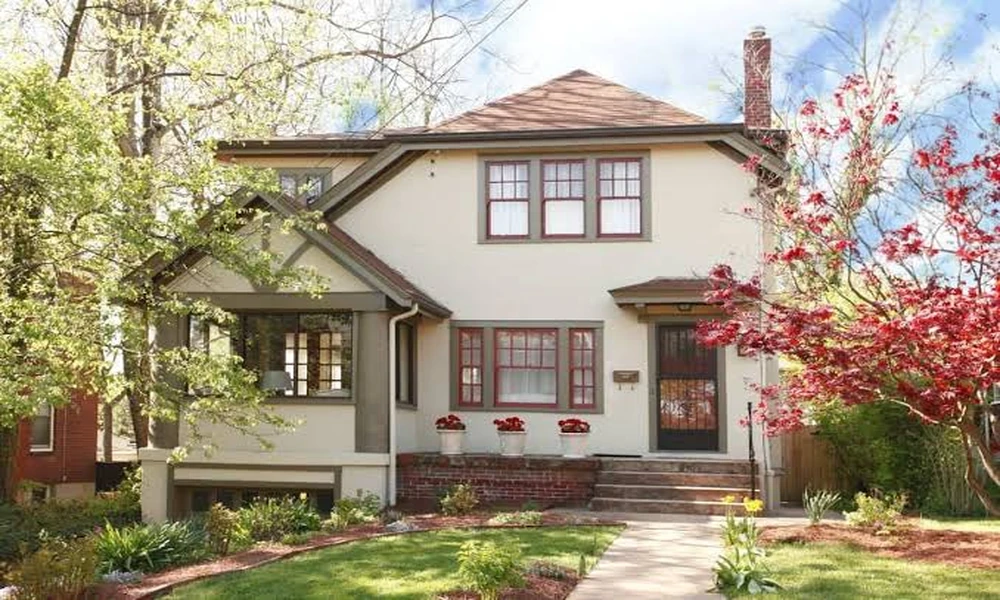
Building a custom home is one of the most rewarding investments you can make, but understanding what influences the final price tag is essential before you begin. Custom home cost factors vary widely depending on location, design choices, and materials, making it important to plan carefully to avoid budget surprises.
Location and Land Costs
Where you build plays a major role in overall cost. Land prices vary significantly by region, and factors like soil quality, topography, and accessibility can add unexpected expenses. Sites requiring extensive grading, tree removal, or utility extensions often increase costs before construction even begins.
Size and Floor Plan Complexity
Naturally, larger homes cost more, but complexity matters just as much as square footage. Intricate rooflines, multiple stories, and custom architectural details require more labor and materials, driving up the final price compared to simpler, more traditional layouts.
Material Selections
The materials you choose-from flooring and countertops to windows and siding-can dramatically affect your budget. High-end finishes like natural stone, custom cabinetry, or imported tile increase costs, while more standard materials offer significant savings without sacrificing durability.
Labor and Builder Expertise
Labor costs fluctuate based on region and the experience level of your builder. Highly skilled contractors and specialized tradespeople often charge more, but their expertise can prevent costly mistakes and ensure quality craftsmanship.
Permits, Fees, and Site Work
Permitting costs, impact fees, and inspections vary by municipality and can add thousands of dollars to your project. Additionally, site work such as excavation, foundation type, and drainage solutions are essential cost factors that are sometimes overlooked in early budgeting.
Energy Efficiency and Technology
Incorporating energy-efficient systems, smart home technology, and sustainable building materials may increase upfront costs but often leads to long-term savings through reduced utility bills.
Market Conditions
Finally, broader market conditions-such as material shortages, labor availability, and interest rates-can influence pricing at any given time.
Final Thoughts
Understanding these custom home cost factors allows homeowners to plan realistically and avoid financial surprises. By working closely with an experienced builder and setting a clear budget from the start, you can create a home that matches both your vision and your financial goals.
