

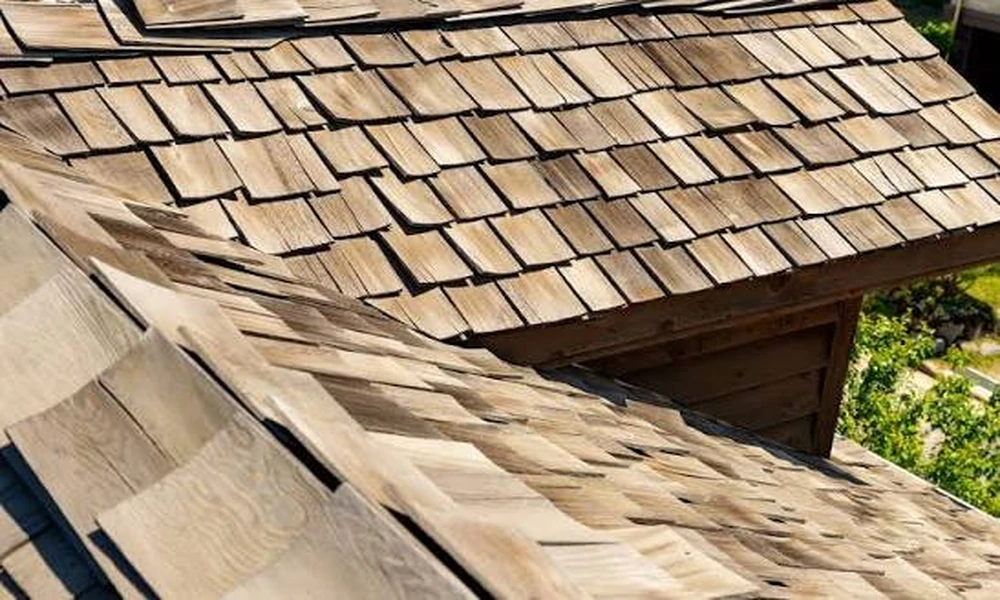
Drive through the older streets of Parker, Castle Pines, Littleton, or the first neighborhoods built in Highlands Ranch and you will spot plenty of silvery, weathered cedar roofs. Back when those homes went up, cedar shake was the upgrade that set a house apart. It looked handmade, it aged into a soft gray, and it gave a suburban house a mountain feel.
A lot of those roofs are now reaching the age where owners start asking hard questions. Cedar here does not age the way it does in Oregon or Washington, where most of the advice online comes from. Along the Front Range the air is thin and dry, the sun is stronger at altitude, temperatures swing hard between day and night, and hail and wind arrive every year. Rot is rarely the main enemy in Colorado. Drying out, cracking, and storm damage are.
That local difference is why it helps to work with a crew that still handles wood roofs regularly. Jack The Roofer, based in Centennial and serving much of the south metro, is a steep slope contractor that repairs and replaces cedar shake along with asphalt, slate, and concrete tile, using strapped cedar and high wind installation methods suited to Front Range gusts. The owner’s roofing background goes back to 1996, and the team also walks homeowners through hail and wind insurance claims.
The Sun Wears It Down Before the Rain Ever Can
At six thousand feet, ultraviolet light hits harder, and cedar feels it. UV breaks down lignin, the natural glue in wood fibers, so the surface slowly erodes and each shake gets thinner over the years. Combine that with dry air and the wood loses the oils that keep it flexible.
The result shows up as cupping, curling at the butt ends, and long splits running with the grain. South and west facing slopes almost always age first. If one side of your roof looks noticeably rougher than the other, that is normal wear, but it also tells you where repairs will be needed soonest.
Hail Leaves a Signature on Wood
Hail marks cedar differently than it marks asphalt. Instead of bruises and lost granules, you get fresh splits with sharp edges and bright, light colored wood inside. Older weather cracks look gray and softened at the edges because they have been exposed for years.
That contrast matters when an adjuster comes out. Photos taken soon after a storm, while the fresh wood is still pale, make the difference easier to prove. Colorado homeowners also face a limited window to file a hail claim, often around a year from the storm date, so waiting until the next leak can cost you coverage.
Chinook Winds Hunt for the Weakest Shake
Downslope winds come off the foothills with real force, and gusts well above 60 miles per hour are not unusual in winter. Brittle, dried out shakes snap or pull loose before healthy ones do. Once a few go missing, the felt interlayment underneath takes direct sun and weather, and it was never built for that.
This is where installation quality shows. Proper nail placement, two fasteners per shake, correct exposure, and tight ridge work all decide whether a roof sheds a windstorm or sends pieces into the yard.
What Sits Underneath Matters as Much as the Wood
Many cedar roofs in the area sit on spaced sheathing or strapping, meaning boards or battens with gaps between them instead of a solid deck. Those gaps let air move under the shakes so they can dry out after snow and rain. Between each course, strips of felt interlayment guide any water that slips through back to the surface.
This setup has two consequences for homeowners. Cedar lasts longer when it can breathe, so a well ventilated system is worth keeping. And if you ever switch to asphalt, the spaced boards usually need to be covered with solid plywood or OSB first, which adds a real line item to a replacement estimate.
Maintenance That Helps and Maintenance That Hurts
Cedar rewards steady care, but the wrong kind of care can shorten its life. Things that genuinely help include
- clearing pine needles and leaves from valleys and keyways so moisture does not sit in one spot
- trimming back branches that scrape the surface or shade one slope into staying damp
- replacing split or missing shakes one at a time rather than letting gaps spread
- checking metal flashing at chimneys, skylights, and walls, since these leak long before the wood fails
- keeping gutters clear, because shake debris clogs them faster than people expect
Things that tend to cause harm include pressure washing, which strips wood fibers and drives water into the grain, walking on dry shakes in cold weather when they crack easily, and thick film forming coatings that trap moisture instead of letting the wood breathe.
Fire Has Joined the Conversation
Untreated wood shakes carry obvious fire risk, and the wildfire season along the Front Range keeps getting longer. Many south metro neighborhoods border open space, grassland, or foothill terrain where wind can carry embers a long way. Colorado has been moving toward stronger ignition resistant building standards in wildfire prone areas, and some insurers and HOAs now ask detailed questions about roof material and fire rating.
Fire treated shakes installed as a rated assembly can reach better classifications than raw cedar, but treatments can weaken with time and weather. If your home sits near open land, it is worth knowing exactly what rating your current roof carries before a renewal or a sale forces the question.
Knowing When Cedar Has Given All It Can
Repairs can stretch a cedar roof for years, but at some point patching stops making sense. Common signs include splits across large areas instead of a few spots, shakes worn thin enough to flex under light pressure, daylight visible from the attic, and leaks that return after repairs. Age alone is not the deciding factor, though many cedar roofs in this climate start struggling somewhere past the twenty year mark.
When replacement arrives, homeowners usually weigh three paths. New cedar keeps the original look and suits HOAs that require it. Synthetic shakes mimic the texture while offering stronger fire and impact ratings. Class 4 impact resistant asphalt shingles cost less and may qualify for premium credits with some carriers. The right choice depends on your neighborhood rules, your budget, and how much you love the look of real wood weathering on your house.
