

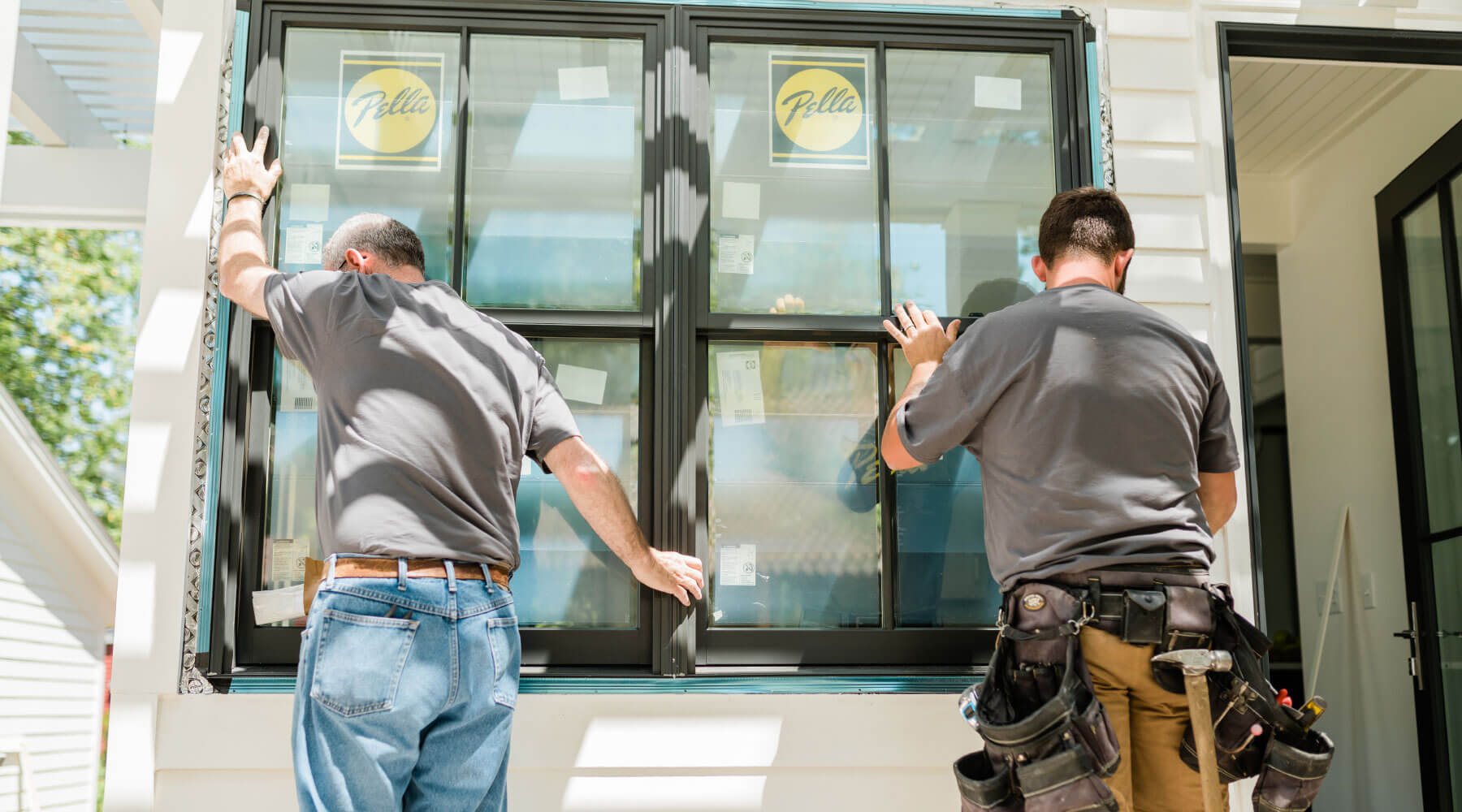
Illinois homes take a beating from weather swings, icy lakefront winds in January, humid highs in July. That kind of climate exposes weak points in a house fast, and leaky, outdated windows are usually near the top of the list. Done right, Window Glazing Services transform those weak spots into insulated, airtight, and comfortable parts of the building envelope. The result: lower energy bills, fewer drafts, and a smaller carbon footprint. For homeowners comparing repair versus full replacement, an expert glazing approach often delivers most of the benefits at a fraction of the disruption. That’s why many Illinois property owners turn to specialists like Apex Window Werks for targeted upgrades that move the needle on performance without overhauling everything at once.
How window glazing enhances insulation in Illinois homes
At its core, glazing is about controlling heat transfer, conduction through the glass, convection in the airspace, and radiation from sunlight and indoor surfaces. Modern insulated glass units (IGUs) take aim at all three.
- Multiple panes: Double-pane glass creates a sealed airspace that slows heat moving from warm to cold. Triple-pane adds another barrier, cutting winter heat loss even further. For Illinois’ predominantly cold climate seasons, the extra layer can keep interior glass surfaces noticeably warmer, which is a big deal for comfort.
- Low-E coatings: Microscopic low-emissivity (Low-E) layers reflect infrared heat back to its source. In winter, that means interior warmth stays inside: in summer, exterior heat is reflected away. Low-E can trim radiant heat transfer dramatically without sacrificing daylight.
- Gas fills: Argon is the workhorse, affordable, stable, and more insulating than air. Krypton, used in narrower cavities, offers even better performance in compact triple-pane setups common in high-efficiency retrofits.
- Warm-edge spacers: Spacers separate the panes around the perimeter. Upgrading from conductive aluminum to warm-edge materials reduces heat loss at the edges, where condensation and cold spots tend to form.
The net effect shows up in the window’s U-factor (lower is better). While a single-pane window can feel frigid on a windy January night, a quality double- or triple-pane IGU with Low-E and argon will keep the interior glass temperature closer to room temperature. That means fewer cold drafts from downdrafts, less condensation, and a tighter thermal envelope.
Glazing upgrades also adapt to Illinois’ mixed climate. In the north (think Chicagoland), homeowners prioritize lower U-factors for heating season. In central and southern Illinois, summer solar control matters more, so a Low-E tuned for moderate solar heat gain can balance winter warmth retention with summer glare and heat reduction. ENERGY STAR certified windows for Northern climates are a reliable benchmark: when paired with careful installation, they typically deliver substantial year-round savings.
What if the frames are sound but the glass is the weak link? That’s where professional window glazing services shine. Replacing just the IGU in an existing sash can upgrade a window’s thermal performance, extend its life, and preserve architectural character, especially valuable for vintage bungalows, two-flats, and historic homes across Illinois neighborhoods. Apex Window Werks frequently performs these targeted IGU replacements, marrying modern performance with existing frames to avoid a full tear-out.
Reducing drafts and improving indoor comfort through glazing
Homeowners often describe comfort issues in simple terms, “we feel a draft” or “the room is always chilly.” While some drafts are true air leaks, many are actually convection currents created by cold glass. As warm room air brushes the window, it cools, drops, and feels like a draft at ankle level. Better glazing breaks that cycle.
Here’s how glazing upgrades improve comfort:
- Warmer interior glass: Double- and triple-pane glass with Low-E keeps the interior pane closer to room temperature, so there’s less convective “wash” across the glass and fewer cold spots near seating areas.
- Lower air infiltration: Professional reglazing, weatherstripping, and sealant work reduce unintended air movement around the sash and frame. The result is fewer true drafts and more stable indoor temperatures.
- Balanced solar gain: Strategically chosen Low-E coatings allow beneficial winter sun to warm interiors while cutting harsh summer heat, keeping living spaces more consistent without overworking HVAC.
Comfort isn’t just about temperature, it’s also about how a room feels. With better glazing, the mean radiant temperature (the average temperature of surrounding surfaces) rises in winter, so occupants feel warmer at the same thermostat setting. That allows small setbacks on the thermostat without a comfort penalty, a quiet, ongoing energy win.
Noise reduction is a bonus. IGUs and laminated glass can dampen street sounds and neighborhood noise, an appreciable upgrade for homes near busy corridors or rail lines common throughout metro Chicago.
Long-term cost savings from energy-efficient upgrades
Energy efficiency is one of the few home improvements that pays back every month. While exact savings vary by house, climate exposure, and HVAC equipment, Illinois homeowners who upgrade from single-pane or leaky double-pane units to modern insulated glazing typically see meaningful reductions in heating and cooling costs.
- Typical savings range: Many households see 10–20% lower heating and cooling energy use after a comprehensive window upgrade, more for drafty homes starting from single-pane.
- Example: If a household spends around $2,400 per year on combined heating and cooling, a 12–18% efficiency gain can trim $290–$430 annually. Over 10 years, that’s $2,900–$4,300, before energy prices rise.
- Maintenance savings: Properly sealed IGUs and professional glazing reduce condensation risks that can rot sashes and sills. Preventing moisture damage saves on future carpentry and repainting.
Stack incentives on top, and the payback accelerates:
- Federal tax credits: Under current federal incentives for energy-efficient home improvements, homeowners may qualify for a credit of 30% of project costs, up to an annual cap for qualifying windows and upgrades. That’s real money off the top.
- Utility rebates: Illinois utilities periodically offer rebates for high-efficiency windows or air-sealing work. Programs change, so it’s smart to check with local providers like ComEd, Nicor Gas, Peoples Gas, or Ameren Illinois.
- Property value: Appraisers and buyers increasingly value efficient, comfortable homes. Upgraded glazing often enhances curb appeal and marketability.
Importantly, a glazing-first strategy can be cost-effective compared with full-frame replacements. If frames are structurally sound, replacing the IGU and addressing seals can capture much of the performance benefit with less material and labor. Apex Window Werks regularly guides homeowners through these options, prioritizing energy impact and budget realities.
Environmental benefits of sustainable glazing practices
Energy-efficient glazing reduces a home’s carbon footprint by lowering the amount of fuel and electricity needed to maintain comfort. That has several knock-on environmental benefits for Illinois communities:
- Lower greenhouse gas emissions: Using less natural gas for heating and less electricity for cooling directly reduces emissions from power plants and furnaces. Across neighborhoods, those avoided emissions add up.
- Peak load relief: Windows that block excess summer heat reduce air-conditioning demand during peak hours, easing stress on the grid and helping prevent brownouts on the hottest days.
- Material conservation: Reglazing and IGU replacement preserve existing frames and trim, cutting demolition waste and the embodied carbon tied to manufacturing and transporting new units. For historic homes, that also means preserving original character.
- Healthier indoor air: By curbing condensation, better glazing helps keep window assemblies dry, lowering the risk of mold growth at sills and jambs.
Sustainable practice isn’t only about the glass. Professional teams now use longer-lasting warm-edge spacers, low-VOC sealants, and recycling where feasible. Daylighting strategies, clear glass with the right Low-E, let in generous natural light while controlling heat, reducing the need for artificial lighting during the day. When window upgrades are planned alongside air sealing and attic insulation, the whole-home effect is substantial.
