

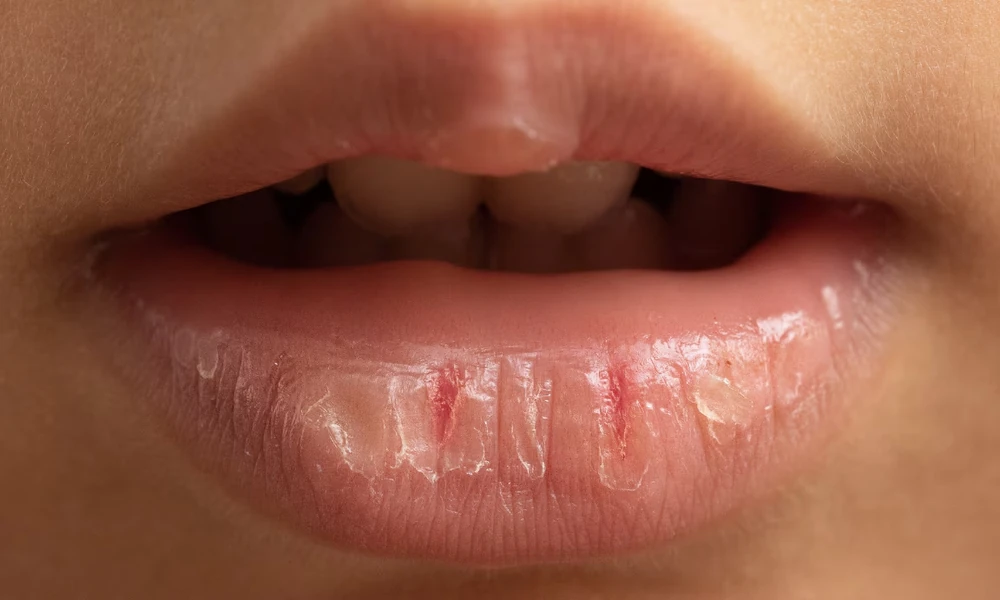
It usually starts with a small zap. You reach for a light switch on a January morning and a spark jumps off your fingertip. A few days later you see a thin gap between hallway floorboards that wasn’t there in October. Then someone in the house wakes up with a scratchy throat for the third morning running. These seem like separate problems, but they have one cause. The air inside the house has been wrung dry.
Homeowners across Dayton and the wider Miami Valley know this pattern well, because cold Ohio air holds little moisture to begin with and a long heating season keeps pulling indoor levels lower. Local teams such as Advanced HVAC Solutions treat humidity as part of keeping a home heated properly rather than a side issue, and they handle furnace work, humidity control and air quality together. To see why that pairing matters, it helps to know what dry air actually does to a house over a full winter.
The Science Behind a Parched House
Most people blame the furnace for drying the air, but the furnace doesn’t remove any water. The real cause is temperature. Warm air can hold far more moisture than cold air, so when you heat air, its relative humidity drops even though the amount of water in it stays the same.
Here is an example. Outdoor air at 20°F with 70 percent relative humidity seems fairly damp. Pull that same air inside and heat it to 70°F, and its relative humidity falls to roughly 11 or 12 percent. That’s drier than many desert afternoons. Every gap around windows, every bath fan and every opened door brings in more of that cold outside air, so the house keeps drying out all season.
Older homes have it worst. A drafty house built decades ago might swap its entire volume of air with the outdoors every hour or two in windy weather. Each swap carries off whatever moisture showers, cooking and breathing added.
Where the Damage Shows Up First
Dry air affects the house and the people in it, and the signs build up slowly enough that most families get used to them before they connect them. Common signs include:
- Static shocks from doorknobs, blankets and pets, especially in carpeted rooms
- Gaps opening between hardwood boards, along with cracked trim and doors that suddenly fit loosely
- Pianos and guitars drifting out of tune between December and March
- Dry eyes, cracked lips, nosebleeds and irritated sinuses that are worst in the morning
- Wallpaper seams lifting and hairline cracks appearing in paint near corners
- A house that feels chilly even with the thermostat set where it always is
The last sign costs money. Dry air pulls moisture off your skin faster, and that evaporation makes you feel cooler. So people raise the thermostat a couple of degrees to feel comfortable, and the furnace burns more fuel to make up for something that isn’t really about temperature. With the right humidity, the same setting feels noticeably warmer.
Wood takes a beating as well. Floors, cabinets, stair treads and furniture take in and give off moisture with the seasons. A winter at 15 percent humidity shrinks them more than they were built for. Repeat that for several years and you get joints that stay open and finishes that crack along the grain.
Finding the Range That Protects Both People and Walls
The goal isn’t to make the house as humid as possible. Most guidance puts comfortable indoor humidity between 30 and 50 percent. The EPA’s guidance on home humidifiers warns against going above 50 percent, because higher levels encourage dust mites and mold.
In winter, the right number also depends on the outdoor temperature. When it’s very cold outside, the inside of window glass gets cold too, and moist indoor air condenses on it. If you see water beading on the lower edge of the panes or frost in the corners, the humidity is too high for that day’s temperature. Many homeowners aim for the mid 30s during ordinary cold spells and lower it to around 25 or 30 percent when temperatures fall toward zero.
A cheap digital hygrometer tells you more than guessing ever will. Put one in a main living area, away from the kitchen and bathrooms, and check it at different times of day for a week. Some newer humidistats have an outdoor sensor and adjust the target automatically, which takes the daily guesswork off your hands.
Three Ways a Whole-Home System Adds Moisture
When the whole house needs moisture and not just one bedroom, the usual answer is a humidifier connected to the furnace ductwork. There are three main kinds, and each works differently.
Bypass Units
A bypass humidifier mounts on the supply or return duct. A small bypass duct connects it to the other side. When the furnace is heating, some warm air flows through a water-soaked pad, picks up moisture and goes back into the system. These units are simple and dependable. The catch is that they only add moisture while the furnace is actually making heat, and some water drains away unused.
Fan-Powered Units
These units use the same evaporative pad, but they have their own small fan to push air through it. Because they don’t need a bypass duct, they fit in tighter spaces, and they usually put out more moisture than bypass models. They’re a good fit for larger homes or houses with tight utility closets.
Steam Units
A steam humidifier heats water in a canister until it boils and sends the vapor straight into the ductwork. It controls humidity precisely and works whether the furnace is heating or not. That makes it a strong choice for homes heated by a heat pump. Heat pumps deliver cooler supply air than gas furnaces, so evaporative pads don’t work as well with them. Steam units use more electricity, but if precise control matters, many owners think they’re worth it.
Why Portable Units Fall Short in Most Homes
A tabletop humidifier can help in a nursery or a home office, but it rarely keeps up with a whole house. A house of average size can need several gallons of water a day in deep winter, so a portable unit would need constant refilling. Tap water also leaves a fine white mineral dust on furniture. Tanks that sit with water in them can grow bacteria unless you empty and clean them every day. Most families forget that routine by mid-January.
Keeping the Equipment From Becoming the Problem
A whole-home humidifier needs little care, but it does need some. Hard water is common across southwest Ohio, and minerals crust over evaporative pads during a season until they barely pass air. Replace the pad every fall. On a bypass unit, the damper should be open in winter and closed in summer, or warm humid air will keep going through it while the air conditioner is trying to remove moisture. Check the drain line for clogs and make sure the water valve shuts off fully. On steam models, the canister builds up scale and needs cleaning or replacement on the manufacturer’s schedule.
The easiest way to handle all this is to have it checked during the fall heating tune-up, while the technician is already working on the furnace and ductwork.
Tightening the House Makes Everything Easier
Humidity control works best in a house that holds onto its moisture. Sealing attic bypasses, weatherstripping doors and caulking around windows cuts the steady stream of dry outside air. The humidifier then works less, the pad lasts longer and the furnace runs fewer hours. Some newer, well-sealed homes need almost no added moisture, and their owners focus on fresh-air ventilation instead.
When spring arrives the problem flips. Summer in the Miami Valley is humid, and the air conditioner takes over the job of pulling moisture out. A house that stays in that comfortable middle range through both seasons is easier on the people living in it, the floors under them and the heating and cooling equipment.
