

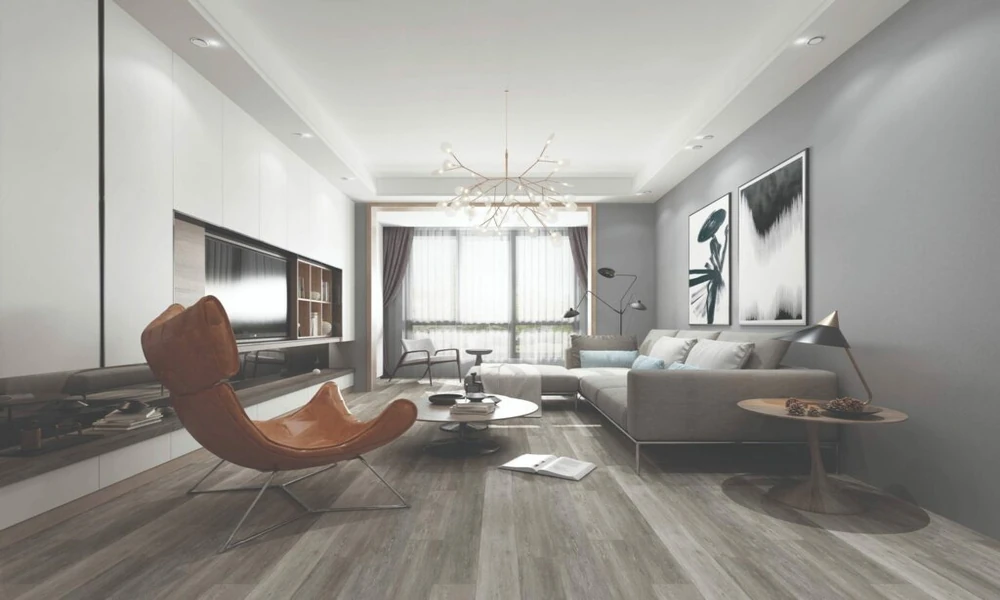
Myths about SPC vinyl flooring are everywhere, but many fade once you see how this ultra-durable material can transform a room. The right style of SPC can uplift your entire space without blowing your budget or sacrificing design personality.
Myth 1: SPC Vinyl Flooring Looks Cheap and Artificial
Some people still picture plastic-looking floors from decades past. In reality, appearance is everything when it comes to interior design, and flooring sets the stage for the whole room. Today’s SPC vinyl flooring options mimic real wood, stone, and tile with uncanny realism. Advanced printing and embossing technologies create authentic textures, think soft hand-scraped oak or smooth marble, in colors and grain patterns that rival nature itself. Finishes range from matte and low-luster to gently distressed, making it easy to blend with classic, modern, or even industrial décor.
Myth 2: All SPC Vinyl Flooring Is the Same Quality
Not all SPC is created equal, and the differences go far beyond color. The quality of the stone-plastic composite core impacts durability, and you’ll notice it with every step. Pay close attention to thickness (typically between 4.5mm and 6.5mm) and the wear layer, as both affect comfort, longevity, and scratch resistance. Premium SPC planks often include an integrated underpad for sound absorption and added warmth underfoot, making them comfortable for family spaces as well as busy entryways. If you want floors to stay beautiful for years, look for thicker wear layers and commercial-grade finishes.
Myth 3: SPC Flooring Is Not Suitable for High-Humidity or Wet Areas
Worried about water damage in your kitchen or bathroom? SPC vinyl flooring is engineered to handle moisture with ease. Its rigid, waterproof core resists expansion and contraction during Quebec’s dramatic humidity swings, outperforming both engineered hardwood and laminate for wet area installations. Unlike traditional wood, it will not warp or swell, making it safe for everything from basements to mudrooms. For best results, follow manufacturer installation recommendations, particularly on subfloor prep and seam sealing.
Myth 4: SPC Vinyl Flooring Is Difficult to Install and Maintain
The era of messy glue and long weekends spent renovating is over. Most modern SPC flooring features click-lock technology, allowing planks to snap together for a floating installation that doesn’t require adhesives or specialized tools. Homeowners with basic DIY skills can often install a living room floor in a single day. Still, for intricate layouts or large spaces, professional installation ensures the best fit and finish. Once in place, SPC floors are easy to maintain, just sweep up dust and wipe spills with a damp mop. No waxes or harsh chemicals needed.
Myth 5: SPC Flooring Limits Interior Design Styles
Some assume vinyl means limited style, but the opposite is true. SPC comes in a wide palette: rich browns for warmth, airy greys for a modern vibe, and beiges or naturals for a clean, Scandinavian look. Plank width and length contribute to the design impact, a wide plank adds spaciousness, while herringbone patterns create movement and drama. Matching stair nosing and transitions make it simple to achieve a seamless, designer finish throughout your home.
Myth 6: SPC Is Too Expensive Compared to Other Flooring Options
Sticker shock can be misleading. While quality SPC costs more upfront than bargain laminate, it offers substantial long-term value through longevity, repairs avoided, and lower maintenance. Here’s a quick comparison:
| Flooring Type | Avg. Cost per sq ft | Waterproof? | Estimated Lifespan | Maintenance Needed |
|———————|——————–|————-|——————–|——————–|
| SPC Vinyl Flooring | $1.79 – $4.99 | Yes | 15-25 years | Low |
| Laminate | $0.99 – $3.00 | No | 7-15 years | Medium |
| Engineered Hardwood | $3.00 – $9.00 | Some | 15-30 years | Medium |
Frequent sales, volume discounts, and warranties further improve the value for homeowners and contractors alike.
Myth 7: SPC Flooring Is Not Environmentally Friendly
Concerns about eco-friendliness are valid, but SPC vinyl flooring is evolving quickly. Most products are made with low-VOC materials and often qualify for indoor air quality certifications. Manufacturers are adopting more sustainable practices, including using recycled content and energy-efficient production methods. When selecting SPC, look for transparency in material sourcing and manufacturing, and seek out brands with third-party environmental certifications.
Choosing SPC vinyl flooring isn’t just about durability or price, it’s about achieving a look and feel that elevates your home for years to come. With so many styles and innovations available, it’s time to move past the myths and embrace the possibilities.
